
The benefits of Parks g beyond their value as green spaces; they are vital tools in the fight against climate change and urban flooding. In cities across the country, public parks are evolving into multipurpose infrastructure that absorbs water, cools neighborhoods, filters pollutants, and protects their communities.
Flooding is one of the most costly and frequent natural disasters in the United States, and coastal cities are some of the most vulnerable to it. Rising sea levels, intense storms, and other climate events put pressure on drainage systems, threatening both homes and wildlife habitats. However, parks, especially those with natural features like wetlands, trees, and basins, can play a powerful role in reducing the impact of increased water volume on urban environments.
According to the U.S. Environmental Protection Agency, natural infrastructure such as wetlands can store excess stormwater, filter runoff, and prevent erosion. These functions reduce the need for expensive concrete drainage systems that drain money from governments, may require repairs, and are often ill-equipped to deal with increasingly large-scale weather events that could threaten public health.1 Not only this, but parks can help mitigate flood damage by acting as buffers that slow water movement and allow it to soak into the ground rather than flood and pool in streets and residential areas.2 All in all, parks are extremely helpful in alleviating the strain that flooding puts on communities by slowing the onslaught of water that causes dangerous flooding.
These services are lifesaving, especially in the face of increased rainfall and flash flooding on the rise as a result. A single acre of wetland can store over one million gallons of floodwater, and tree-covered areas significantly reduce surface runoff and protect against flooding.1 In neighborhoods prone to flash flooding, this kind of nature-based infrastructure is essential to keep water out of people’s homes.


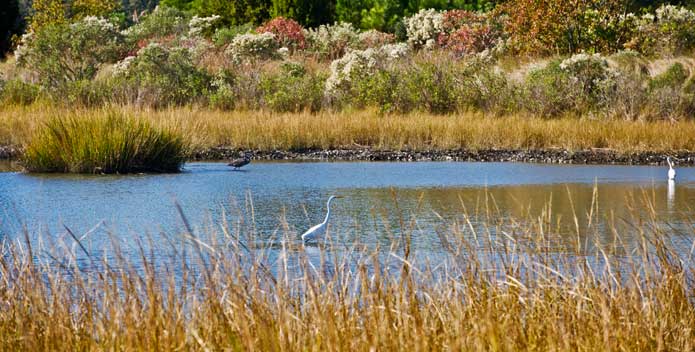
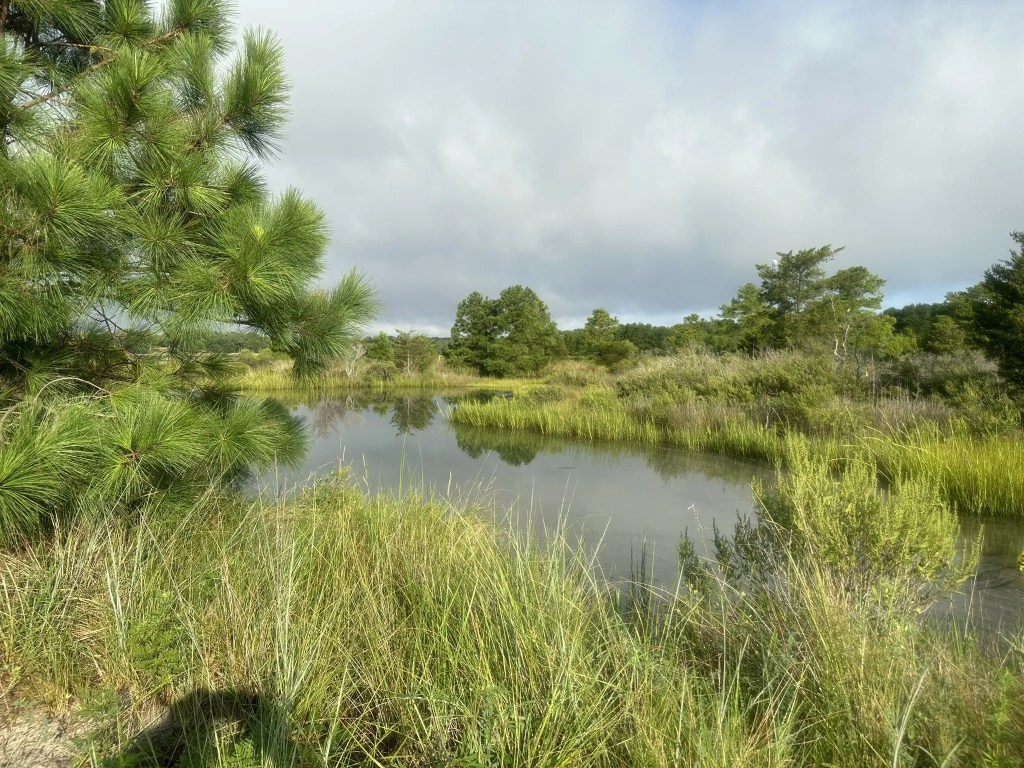
For example, the local ongoing Pleasure House Point Wetland Restoration Project shows how ecological restoration can help protect neighborhoods from flooding while also reconnecting people with local parks.
The Restoration Project is turning the science of natural areas’ mitigation of floods into real-world action. The site, located beside the Brock Environmental Center, is one of the last remaining natural areas on the Lynnhaven River, an estuary that flows into the Chesapeake Bay. Once used as a dredge spoil site, the land is now being reworked to serve its original purpose: filtering water and absorbing floods.
The restoration involves reintroducing native tidal wetlands and creating a system of marshes and channels that will absorb and slow down stormwater. These wetlands are designed to do what they naturally would: intercept runoff and trap sediment, all while also reducing the risk of flooding for nearby neighborhoods in the process.3
In addition to expanding the wetlands, over 600 native trees, such as live oaks and water oaks, are being planted across the site to recreate a natural floodwater buffer. A new pedestrian bridge and trail improvements will allow the public to observe and benefit from this restored landscape, connecting the community and the park that protects it. Community organizations like Lynnhaven River NOW are monitoring local species, from terrapins to native plants, to ensure the ecosystem stays balanced and healthy.4
The Pleasure House Point project is about more than just restoring a local park to its former glory; it also shows how we can use natural resources to protect local communities against climate change. By exhibiting how we can use existing systems to reduce flood risk, clean our waterways, and create resilient public spaces that benefit people and wildlife, it strengthens the battle against the climate crisis. In a time when storms are getting stronger and rainfall is getting heavier, parks like this prove that nature is not a simple luxury; it can ensure public safety as well.5
When cities invest in flood-resilient parks, they protect their residents, reduce long-term infrastructure costs, and create healthier, more livable communities. The wetlands at Pleasure House Point are a model for what urban restoration should look like: strategies rooted in science, grounded in community, and built for a changing climate.
Works cited
- NRPA. “Green Stormwater Infrastructure (GSI) Certificate Program.” National Recreation and Park Association, 2025, learning.nrpa.org/products/green-stormwater-infrastructure-gsi-certificate-program. Accessed 10 Aug. 2025.
- “Pleasure House Point Wetlands Restoration Project.” City of Virginia Beach, 2025, pw.virginiabeach.gov/coastal-waterways/pleasure-house-point-wetlands-restoration-project.
- Runkle, Jennifer, et al. “Virginia State Climate Summary 2022, NOAA Technical Report NESDIS 150.” Ncics.org, 2022, statesummaries.ncics.org/chapter/va/.
- US EPA. “Spend Less Energy Managing Water.” Www.epa.gov, 14 Feb. 2025, http://www.epa.gov/green-infrastructure/spend-less-energy-managing-water.
- Willis, Emily. “Pleasure House Point Wetland Restoration – Part II – Lynnhaven River NOW.” Lynnhaven River NOW, 20 Feb. 2025, http://www.lynnhavenrivernow.org/blog/pleasure-house-point-wetland-restoration-part-ii/. Accessed 10 Aug. 2025.
 Virginia Beach Trails
Leave a comment